Optimal Timing for Concrete Installation
Concrete installation timing is crucial for ensuring durability and quality. The optimal period depends on climate conditions, temperature, and humidity levels. Proper planning can prevent issues such as cracking, improper curing, or delays caused by weather disruptions.
Concrete performs best when temperatures are between 50°F and 85°F. Extreme cold or heat can affect curing times and strength development.
Spring and fall are generally preferred for concrete projects due to moderate weather conditions. Summer may require additional measures to prevent rapid drying, while winter demands special precautions against freezing.
Rain, snow, or high humidity can hinder concrete setting. Scheduling during dry weather ensures optimal curing and reduces risks of surface defects.
Allow sufficient time for preparation, curing, and finishing. Proper scheduling minimizes delays and ensures high-quality results.
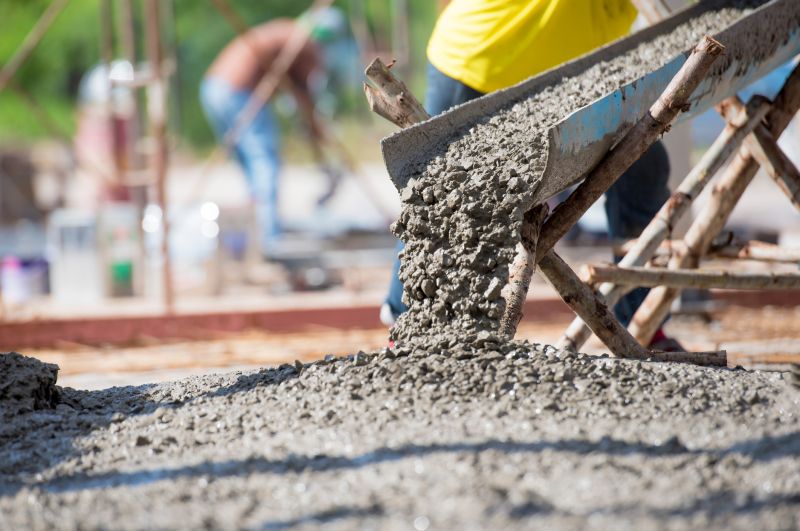
Optimal conditions for concrete installation during spring months.
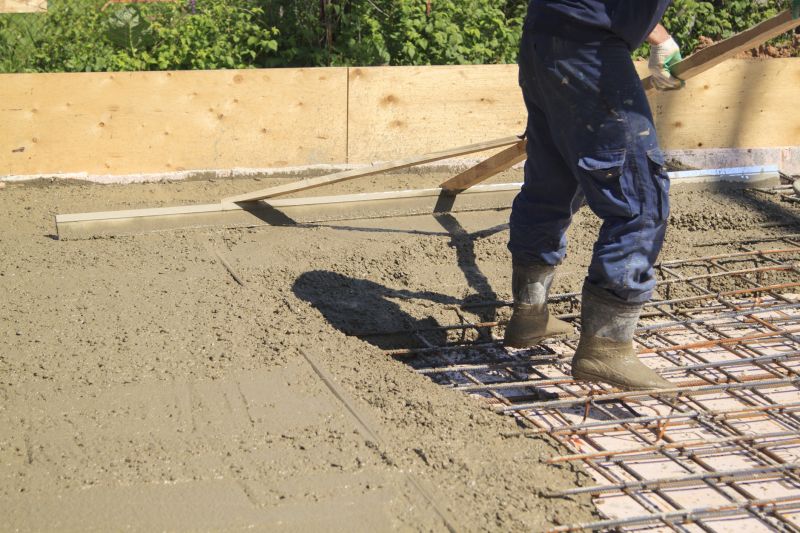
Strategies for managing high temperatures during summer projects.
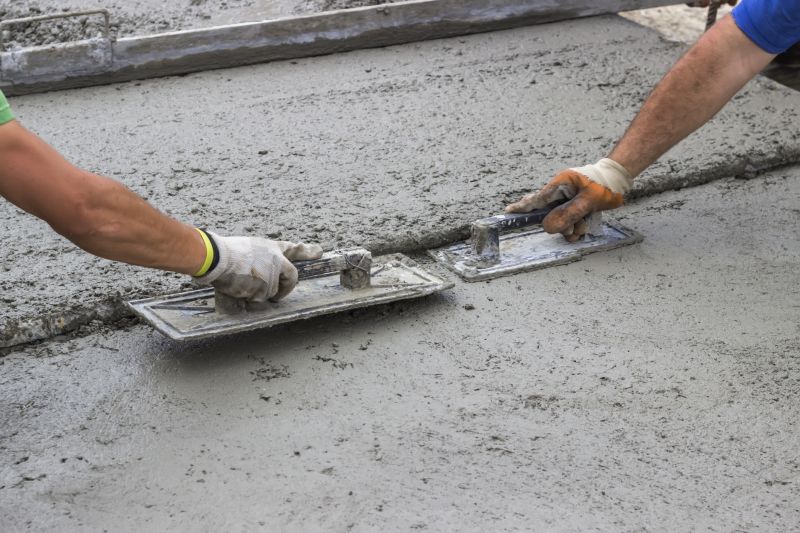
Methods to prevent freezing and ensure proper curing in winter.
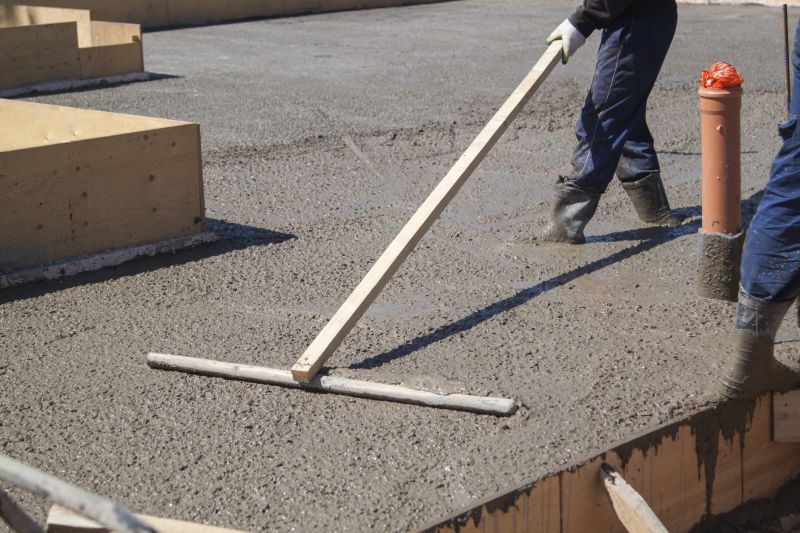
Ideal weather conditions for concrete projects in transitional seasons.
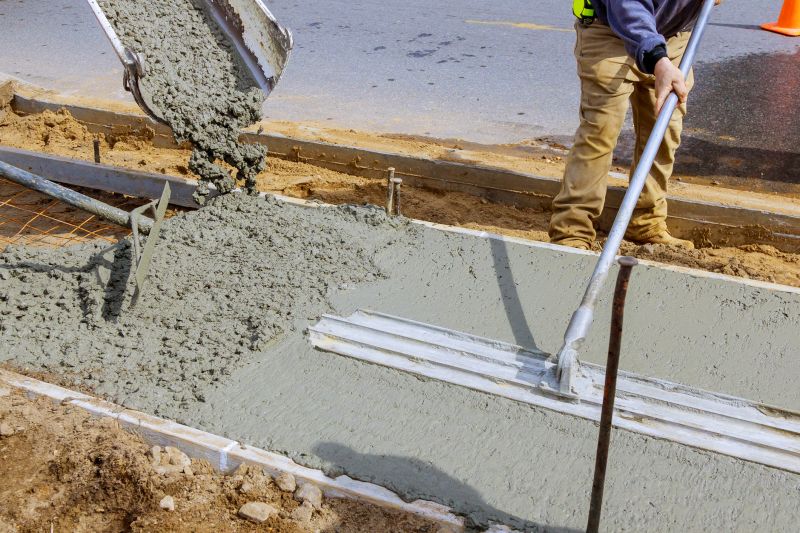
Ways to make Concrete Installations work in tight or awkward layouts.
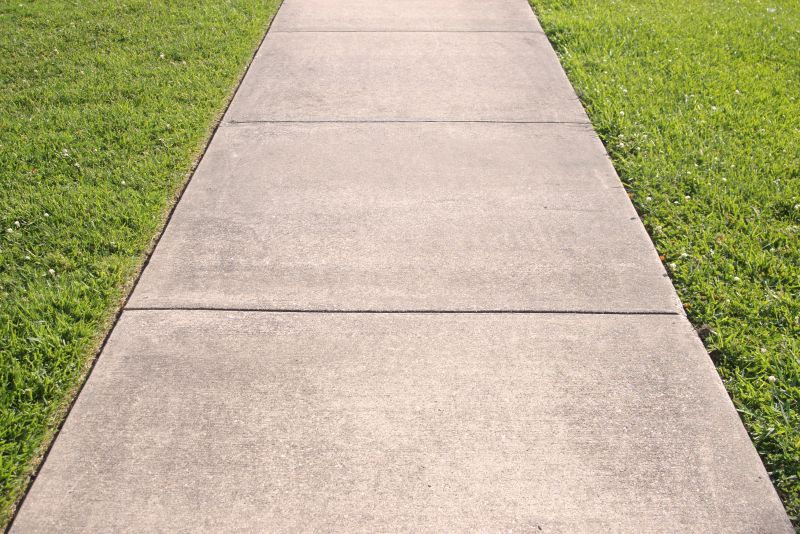
Popular materials for Concrete Installations and why they hold up over time.
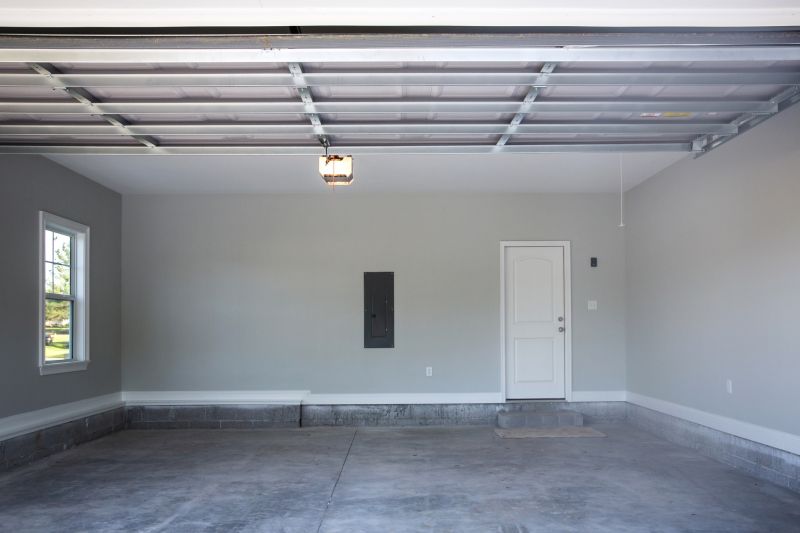
Simple add-ons that improve Concrete Installations without blowing the budget.
High-end options that actually feel worth it for Concrete Installations.
Concrete installations are a fundamental component of construction projects, offering strength, durability, and versatility. Proper timing ensures that concrete achieves the desired structural integrity and aesthetic quality. Factors such as temperature, humidity, and weather conditions influence the curing process, which is vital for long-term performance. Statistical data indicates that projects scheduled during ideal weather conditions experience fewer delays and reduced repair costs, emphasizing the importance of strategic planning.
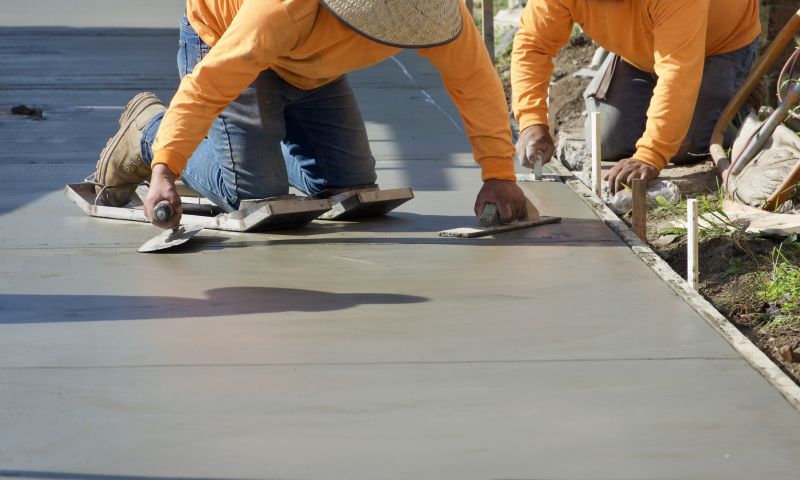
A smooth, durable surface after proper curing.
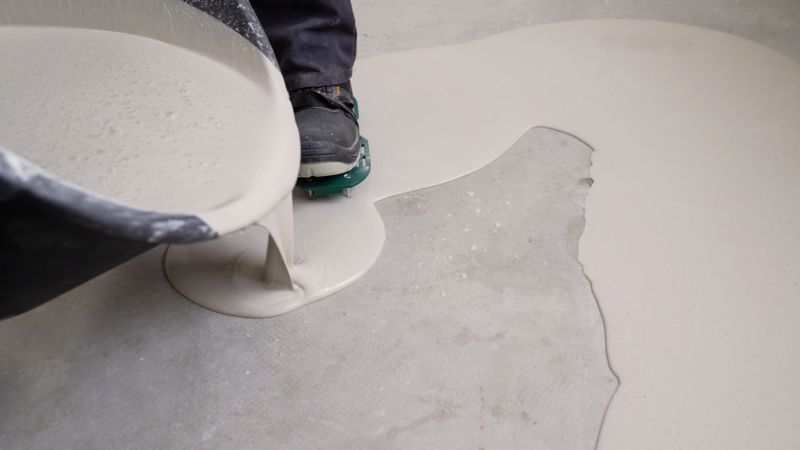
The process of placing and leveling concrete in a construction site.
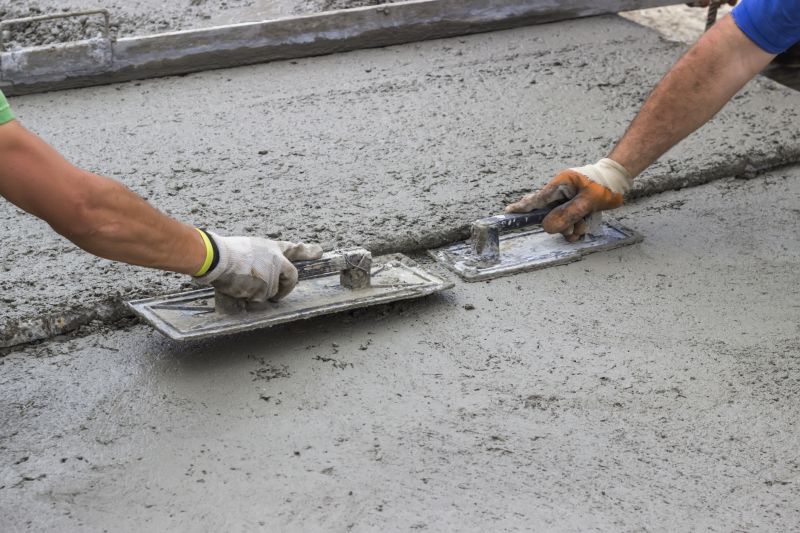
Maintaining optimal moisture and temperature during curing.
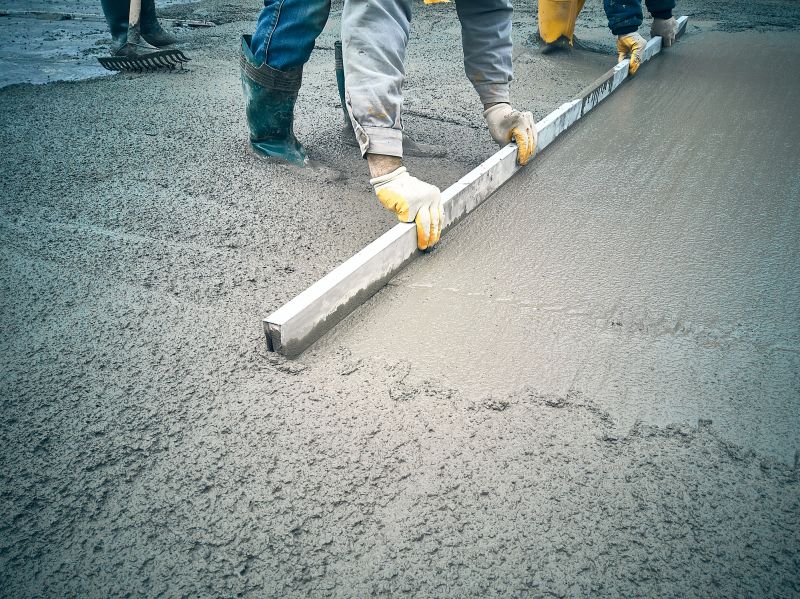
Active site showcasing ongoing concrete installation work.
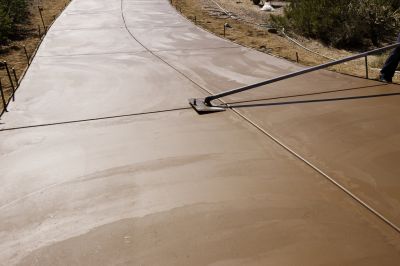
Finishes and colors that play nicely with Concrete Installations.
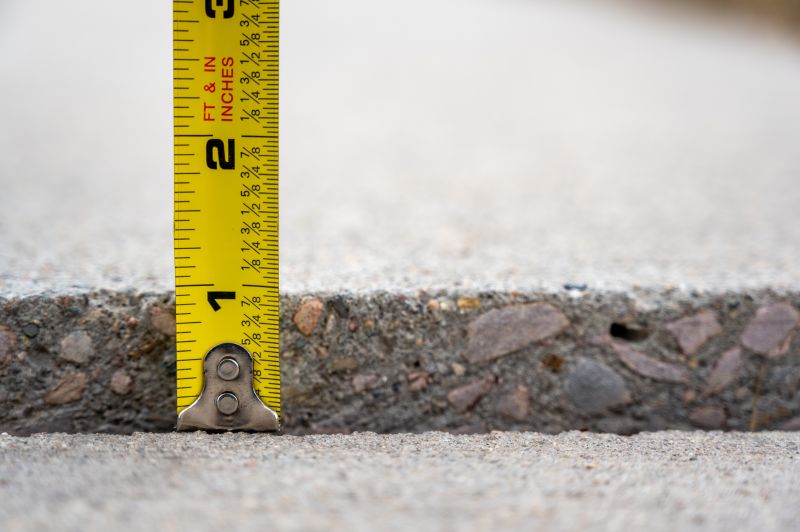
Little measurements that prevent headaches on Concrete Installations day.
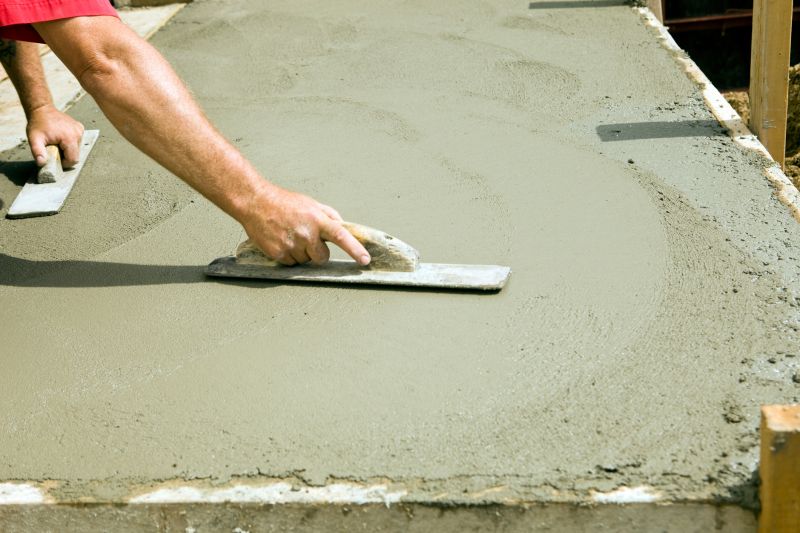
A 60-second routine that keeps Concrete Installations looking new.
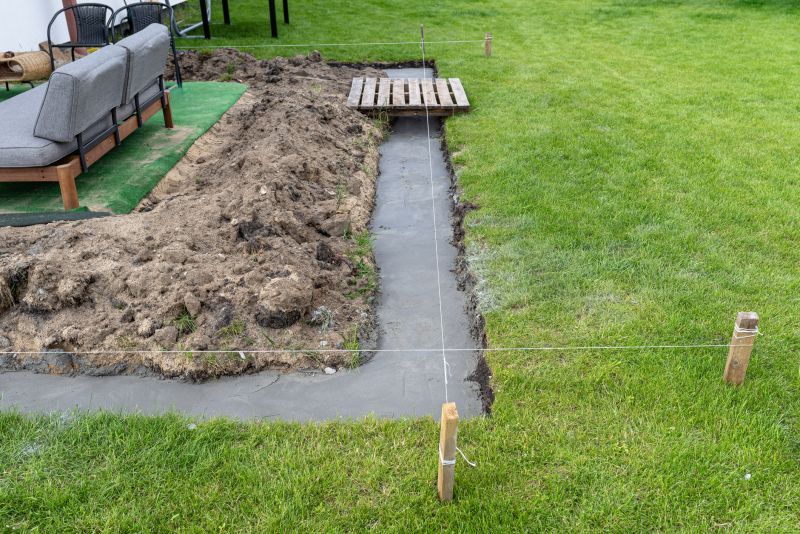
A frequent mistake in Concrete Installations and how to dodge it.
| Season | Best Conditions for Concrete Installation |
|---|---|
| Spring | Moderate temperatures, low precipitation, ideal for curing. |
| Summer | Requires measures to manage high heat and rapid drying. |
| Fall | Cooler temperatures, stable weather, suitable for installation. |
| Winter | Requires heating and insulation to prevent freezing. |
| Dry Season | Minimized rain and humidity for optimal curing. |
| Rainy Season | Scheduling with weather forecasts or protective measures. |
Choosing the right time for concrete installation enhances project outcomes and reduces potential issues. Proper planning based on seasonal weather patterns and climate conditions is essential. For those interested in scheduling concrete work in Manassas, VA, it is recommended to consider these factors carefully and contact professionals for tailored advice and scheduling assistance.